

Introduction
Industrial systems depend on precise control of air, gases, dust, fumes, and process flow to operate safely and efficiently. Dampers play an important role in achieving this control across power plants, steel facilities, cement plants, chemical units, refineries, HVAC systems, and many other industrial applications. Choosing a reliable Damper manufacturer in Pune can help industries obtain engineered solutions designed according to their operating conditions, temperature requirements, pressure levels, duct dimensions, and automation needs. Pune has developed into an important engineering and manufacturing hub, with companies producing a variety of industrial dampers and automated flow-control equipment. Manufacturers in the region offer solutions such as butterfly dampers, multi-louver dampers, guillotine dampers, stack dampers, slide gates, and manually, electrically, or pneumatically operated systems. Industrial damper designs can also be customized for demanding applications involving high temperatures, dust, corrosive gases, and continuous operation.
Understanding the Role of Industrial Dampers
An industrial damper is a mechanical device used to regulate, isolate, divert, or control the movement of air and gases through ducts, pipelines, stacks, furnaces, boilers, and other process systems. Depending on the application, a damper may operate in a fully open, fully closed, or partially open position. This makes it possible to manage process conditions more effectively while supporting stable and efficient system performance. A well-designed damper must provide the required strength, sealing performance, operational accuracy, and durability for the environment in which it is installed.
Different industries require different damper configurations because operating conditions can vary significantly. Some applications involve hot flue gases, while others require accurate airflow control at lower temperatures. Dusty environments may require rugged construction, while critical process systems may need specialized sealing arrangements to reduce leakage. For this reason, engineering and customization are important considerations when selecting industrial dampers. Manufacturers in Pune produce dampers in multiple configurations and can design solutions for specific duct sizes, operating conditions, and control requirements.
Why Choose a Damper Manufacturer in Pune?
Pune is well known for its strong industrial ecosystem and engineering capabilities. The city and surrounding industrial areas support manufacturers working in automation, valves, actuators, fabricated equipment, process systems, and industrial flow-control solutions. Selecting a Damper manufacturer in Pune can provide businesses with access to engineering expertise and customized manufacturing for industrial applications. Local manufacturing capabilities can also support technical discussions, application studies, inspections, testing, and coordination throughout the project.
Many manufacturers in Pune offer dampers with different actuation methods, including manual, electric, pneumatic, hydraulic, and motorized operation. This allows industries to select equipment that fits their existing automation systems and process requirements. Some manufacturers also use engineering tools such as 3D CAD and analysis methods during product development to support application-specific designs. The availability of fabrication facilities, skilled engineering teams, and actuator expertise makes Pune a suitable location for sourcing industrial damper solutions.
Types of Dampers Available for Industrial Applications
Industrial dampers are available in several designs, with each type serving a specific function. Butterfly dampers are commonly used for controlling or isolating airflow and gas flow. Their compact design can make them suitable for many industrial ducting applications. Multi-louver dampers use multiple blades and are often selected where controlled airflow regulation is required across larger duct areas. The blade arrangement can help achieve more precise control depending on the application and operating requirements.
Guillotine dampers are generally used for isolation applications and may be selected where a robust shut-off arrangement is necessary. Stack dampers are designed for controlling flue gas flow in chimney and stack systems. Slide gates and diverter dampers can also be used where materials or process flow must be isolated or directed between different paths. A reliable Damper manufacturer in Pune can help customers determine the most appropriate damper type by studying media, temperature, pressure, duct dimensions, leakage requirements, and operating frequency.
Importance of Customized Damper Design
Standard products may not always meet the requirements of complex industrial systems. Every process can have unique operating conditions, which is why customized damper design is often important. Factors such as duct shape, damper size, material selection, pressure differential, operating temperature, media characteristics, and required actuator type must be considered before manufacturing begins. A properly designed damper can improve compatibility with the process system and support dependable operation over a long service period.
Customization may include the selection of round, square, or rectangular configurations according to the duct design. Material choices can also vary depending on temperature, corrosion resistance, and mechanical strength requirements. Some industrial dampers are manufactured using carbon steel, stainless steel, or specialized materials suited to demanding conditions. Additional features such as insulation, sealing arrangements, reinforced construction, and automated actuation can be incorporated based on the application. Engineering-focused manufacturers in Pune provide customized solutions for industries where standard equipment may not deliver the desired performance.
Damper Automation and Actuation Options
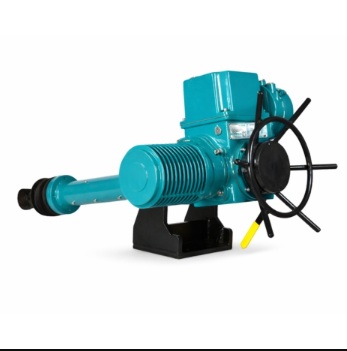
Modern industrial plants increasingly use automated systems to improve control, consistency, and operational efficiency. Dampers can be operated manually for simple applications or integrated with actuators for remote and automated control. Electric actuators are commonly selected where controlled positioning and integration with electrical systems are required. Pneumatic actuators can provide fast operation in facilities with suitable compressed-air infrastructure. Other applications may use hydraulic or specialized motorized systems depending on operating requirements.
The actuator should be selected according to damper torque requirements, operating frequency, environmental conditions, and the level of control required by the process. Automated dampers can be connected with plant control systems to support coordinated operation. For example, a damper may need to respond to changes in temperature, pressure, airflow, or process commands. A professional Damper manufacturer in Pune can provide guidance on selecting a suitable combination of damper design and actuation technology for the intended industrial application.
Key Industries That Use Industrial Dampers
Industrial dampers are used across a wide range of sectors because airflow and gas-flow management are essential to many manufacturing and processing operations. In power plants, dampers can be installed in boiler, furnace, flue gas, and ventilation systems. Cement and steel plants may use them in high-temperature and dust-intensive process environments. Chemical facilities can require specially designed dampers based on the characteristics of process gases and operating conditions.
Oil and gas, marine, metal and mineral, sugar and ethanol, water treatment, and general industrial applications can also use specialized damper systems. Bag filters, ID and FD fan ducts, process air-handling systems, boilers, furnaces, chimneys, and industrial ventilation networks are among the applications where dampers may be used. The correct product selection depends on the specific process rather than simply choosing a damper based on size. This is why application analysis and engineering support are valuable when sourcing industrial flow-control equipment.
Quality and Manufacturing Considerations
Quality is a major factor when selecting an industrial damper because equipment failure can affect process stability, maintenance costs, and plant productivity. A good manufacturing process begins with understanding the application and selecting appropriate materials and dimensions. Fabrication quality, welding, blade alignment, shaft design, sealing arrangements, and actuator mounting all influence the final performance of the equipment.
Testing and inspection are also important before a damper is supplied for industrial use. Depending on the manufacturer and application, quality procedures may include dimensional checks, functional testing, material verification, and inspection of fabricated components. Manufacturers may also follow documented quality systems and engineering procedures. Buyers should discuss application requirements in detail and verify the capabilities of the supplier before placing an order. A dependable Damper manufacturer in Pune should focus on manufacturing consistency and the ability to provide solutions suitable for the customer’s actual operating environment.
Factors to Consider Before Selecting a Manufacturer
Selecting the right manufacturer involves more than comparing product prices. The first consideration should be technical expertise and experience with the required damper type. A manufacturer should understand the process conditions and be able to recommend a suitable design. Buyers should provide information about duct dimensions, media, operating temperature, pressure, flow conditions, required leakage performance, and preferred method of operation.
Manufacturing capability is another important consideration. The supplier should have suitable facilities and technical resources to produce the required size and design. Custom fabrication can be particularly important for large or unusual damper configurations. Buyers should also consider quality practices, engineering support, delivery capability, documentation, and after-sales assistance. Working with a manufacturer that can support the project from design through manufacturing can simplify communication and reduce the risk of selecting unsuitable equipment.
Benefits of Working With an Experienced Manufacturer
An experienced manufacturer can offer valuable application knowledge during the selection process. Instead of supplying a generic product, the engineering team can study the operating requirements and recommend an appropriate damper design. This can include decisions about blade configuration, frame construction, material grade, sealing, shaft arrangement, and actuator selection. The result is a solution that is better aligned with the intended industrial process.
Another advantage is the availability of customization. Large industrial projects often require equipment that fits specific duct layouts and automation systems. Custom manufacturing can help ensure compatibility with existing infrastructure. Technical support can also be useful during installation and commissioning. When selecting a Damper manufacturer in Pune, businesses should look for a supplier capable of understanding the complete application rather than focusing only on the basic product specification.
Maintenance and Long-Term Performance
Even a well-designed damper requires proper inspection and maintenance to achieve reliable long-term performance. Maintenance requirements depend on the operating environment, damper type, and frequency of use. Components such as shafts, bearings, linkages, blades, seals, and actuators should be inspected according to the plant’s maintenance schedule. Dust accumulation, corrosion, high temperatures, and continuous cycling can affect equipment performance over time.
Proper installation is equally important. Misalignment or incorrect actuator mounting can create unnecessary operating problems. Industrial users should follow the manufacturer’s installation and maintenance recommendations. Periodic checks can help identify wear before it develops into a major failure. Where dampers are part of automated systems, actuator operation and control signals should also be verified regularly. A correctly selected and properly maintained damper can provide dependable flow-control performance and support efficient plant operations for many years.
The Future of Industrial Damper Manufacturing
Industrial manufacturing is becoming increasingly focused on automation, energy efficiency, process monitoring, and customized engineering. These trends are influencing the design and development of industrial dampers. Customers increasingly require equipment that can integrate with automated control systems while operating reliably in demanding environments. Improved actuator technologies and advanced engineering methods are also helping manufacturers develop more specialized solutions.
Future damper systems may place greater emphasis on accurate positioning, reduced leakage, remote monitoring, and compatibility with smart industrial environments. Material development and improved fabrication techniques can further support durability in high-temperature and corrosive applications. Manufacturers that combine traditional engineering expertise with modern design and automation capabilities will remain important partners for industries seeking efficient flow-control solutions.
Conclusion
Choosing the right Damper manufacturer in Pune is an important decision for industries that require reliable control of air, gases, fumes, and process flow. The ideal supplier should understand the application, provide suitable engineering support, offer customization when required, and maintain strong manufacturing and quality practices. From butterfly and multi-louver dampers to guillotine, stack, and automated damper systems, different industrial applications require different designs and performance characteristics.
Before making a final selection, buyers should carefully evaluate process conditions, material requirements, operating temperature, pressure, leakage needs, and automation requirements. Working with an experienced manufacturer can help ensure that the final damper solution is designed for the actual operating environment. With Pune’s strong engineering and industrial manufacturing ecosystem, businesses can access a range of specialized capabilities for customized industrial damper and flow-control requirements.