Luxury Cars in India: Top Models, Prices & Buying Guide 2026

Date:

Share:

The demand for luxury cars in India has witnessed remarkable growth over the past decade. What was once considered a niche market reserved for ultra-high-net-worth individuals has now expanded to include entrepreneurs, professionals, and aspirational buyers seeking comfort, performance, and prestige. With improving infrastructure, rising disposable incomes, and evolving lifestyle preferences, owning a luxury car is no longer just about status—it’s about experiencing superior engineering and cutting-edge technology.

Today, global automotive giants like Mercedes-Benz, BMW, Audi, and Jaguar Land Rover have established a strong presence in India. These brands offer a wide range of vehicles—from entry-level luxury sedans to ultra-premium SUVs—tailored to Indian roads and consumer preferences. As a result, buyers now have more options than ever when exploring luxury cars in India.

What Defines a Luxury Car?

Luxury cars are distinguished by their superior build quality, advanced features, refined performance, and unmatched comfort. Unlike regular vehicles, they focus on delivering a premium experience in every aspect—from interior craftsmanship to driving dynamics.

Typically, luxury cars in India come equipped with features such as adaptive suspension, high-end infotainment systems, ventilated seats, ambient lighting, and advanced driver-assistance systems (ADAS). These vehicles are also designed with superior materials like leather upholstery, wood trims, and aluminum accents, enhancing both aesthetics and comfort.

Performance is another defining factor. Engines are more powerful and refined, ensuring smooth acceleration and effortless cruising. Whether it’s a luxury sedan or an SUV, these cars provide a driving experience that blends power with sophistication.

Top Luxury Car Brands in India

India’s luxury car market is dominated by several global brands that have built a reputation for quality, performance, and innovation. Among them, Mercedes-Benz leads the segment with a diverse portfolio ranging from the A-Class to the S-Class. Known for its comfort and cutting-edge technology, Mercedes continues to attract a wide customer base.

BMW, on the other hand, focuses on driving pleasure. Its vehicles are designed for enthusiasts who value performance and handling. Similarly, Audi is known for its sleek design and Quattro all-wheel-drive technology, making it a popular choice among urban buyers.

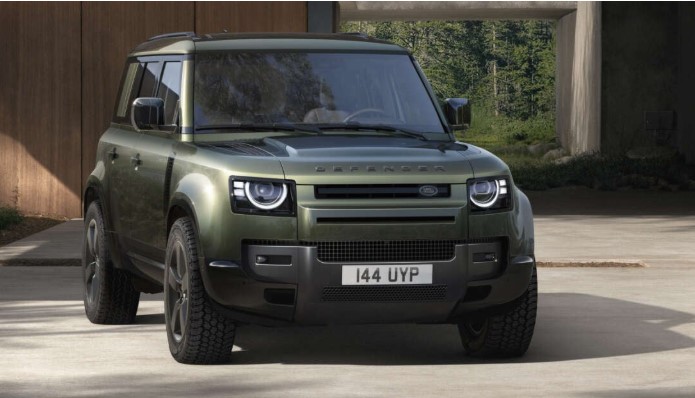
British brands like Jaguar and Land Rover offer a blend of elegance and ruggedness. Their SUVs, in particular, are highly sought after in India due to their capability and road presence.

Popular Luxury Cars in India (2026)

Below is a comparison of some of the most popular luxury cars in India, highlighting their key features and price range:

Car Model Brand Approx Price (₹) Key Highlights
Mercedes-Benz S-Class Mercedes-Benz 1.7–1.9 Cr Ultimate comfort, advanced tech
BMW 7 Series BMW 1.8–2.0 Cr Performance + executive feel
Audi A8 L Audi 1.6–1.8 Cr Sleek design, Quattro AWD
Range Rover Land Rover 2.3–3.5 Cr Premium SUV, off-road ability
Jaguar F-Pace Jaguar 80L–1 Cr Sporty SUV with luxury touch

These vehicles represent the best of what the luxury segment has to offer, combining comfort, performance, and advanced technology.

Why Luxury Cars Are Gaining Popularity in India

The rising popularity of luxury cars in India can be attributed to several factors. Firstly, increasing disposable income among the urban population has made premium vehicles more accessible. Secondly, improved road infrastructure, especially highways, allows drivers to fully experience the performance capabilities of these cars.

Another key factor is the growing aspiration among younger buyers. Luxury cars are no longer just about wealth; they symbolize success and achievement. Additionally, manufacturers are offering attractive financing options and localized production, making these vehicles more competitively priced.

Technology also plays a crucial role. Modern luxury cars come equipped with AI-based systems, connected car features, and enhanced safety technologies, which appeal to tech-savvy buyers.
luxury cars in India

Key Features to Look for in Luxury Cars

When choosing from the wide range of luxury cars in India, buyers should consider several important features that enhance both comfort and functionality.

  • Advanced safety features like ADAS and multiple airbags
  • Premium interiors with leather upholstery and ambient lighting
  • Powerful yet refined engine performance
  • Cutting-edge infotainment and connectivity systems
  • Ride comfort and suspension quality

These elements collectively define the luxury experience and ensure that the vehicle meets modern expectations.

Luxury SUVs vs Luxury Sedans

One of the biggest decisions buyers face when exploring luxury cars in India is choosing between SUVs and sedans. Luxury sedans like the Mercedes-Benz E-Class are known for their smooth ride quality, elegant design, and chauffeur-driven comfort. They are ideal for city driving and long highway journeys where comfort is a priority.

Luxury SUVs, such as the BMW X7, offer a commanding driving position, spacious interiors, and better ground clearance. These vehicles are better suited for Indian road conditions, especially in areas with uneven terrain or poor infrastructure.

While sedans excel in refinement and efficiency, SUVs provide versatility and road presence. The choice ultimately depends on individual preferences and usage patterns.

Challenges of Owning Luxury Cars in India

Despite their appeal, owning luxury cars in India comes with certain challenges. Maintenance costs are significantly higher compared to regular vehicles, as spare parts and servicing are expensive. Additionally, fuel consumption is higher, especially for powerful engines.

Another challenge is the availability of service centers in smaller cities. While metro cities have well-established networks, rural and semi-urban areas may face limitations. Insurance costs are also higher, adding to the overall ownership expense.

However, many brands now offer extended warranties and service packages to address these concerns, making ownership more convenient.

Tips for Buying a Luxury Car

Before investing in luxury cars in India, it is essential to make an informed decision. Here are a few practical tips:

  • Set a realistic budget, including maintenance costs
  • Compare multiple brands and models before finalizing
  • Take a test drive to understand comfort and performance
  • Check after-sales service and warranty options

These steps help ensure that you choose a vehicle that aligns with your expectations and lifestyle.

luxury cars in India

FAQs

What is the starting price of luxury cars in India?

Luxury cars in India typically start from around ₹40–50 lakh, with entry-level models from brands like Audi and BMW. Prices can go up to several crores depending on the model and features.

Which is the most popular luxury car brand in India?

Mercedes-Benz is widely considered the most popular luxury car brand in India due to its extensive lineup and strong service network.

Are luxury cars expensive to maintain?

Yes, maintenance costs for luxury cars are higher than regular vehicles due to premium parts, specialized servicing, and higher insurance premiums.

Is it worth buying a luxury car in India?

If you value comfort, performance, and advanced features, investing in luxury cars in India can be worthwhile. However, buyers should consider long-term ownership costs.

Which type is better: SUV or sedan?

Both have their advantages. Sedans offer better comfort and efficiency, while SUVs provide versatility and higher ground clearance, making them more suitable for Indian roads.

Conclusion

The market for luxury cars in India is evolving rapidly, offering buyers an impressive range of options across different segments and price points. From elegant sedans to powerful SUVs, these vehicles cater to diverse needs while delivering unmatched comfort, performance, and prestige.

Read More:-Luxury Cars Under 20 Lakhs: Best Affordable Premium Picks

Subscribe to our magazine

━ more like this

The Connected Airport Ride: Tech and Comfort Features Travelers Now Expect

The ride to the airport used to be the dead zone of a trip: a stretch of highway where you watched the clock, worried about traffic and hoped your phone battery would last until the gate. That has changed. Modern chauffeured vehicles are rolling extensions of the office and the living room, packed with technology that keeps travelers connected, charged and comfortable from the driveway to the terminal. Travelers flying out of the Pacific Northwest have noticed the difference. A well-run Seatac black car service today is judged not only on punctuality but on what happens inside the car, which is why it pays to know which features matter and what to ask about before you book. Flight Tracking Behind the Scenes The most important technology in an airport ride is one passengers rarely see. Dispatch systems monitor flights in real time, so drivers work from actual landing times instead of printed schedules. If a plane arrives early, the car is already there; if it is delayed, the pickup shifts automatically without a flurry of phone calls. For departures, the same systems help plan pickup times around current traffic so you reach the terminal with sensible margin. Charging for Every Device A dead phone at the airport is more than an inconvenience; it can mean a lost boarding pass or a missed message from your driver. Well-equipped vehicles offer charging for passengers, ideally with both USB-C and USB-A options so everyone can top up phones, tablets and earbuds on the way. If you rely on a laptop, ask whether the vehicle offers a power outlet or bring a compact power bank as backup. Wi-Fi and a Quiet Cabin For business travelers, the airport run is often the last chance to send a document or join a quick call. Onboard Wi-Fi turns that time into working time, while good sound insulation keeps highway noise low enough for a clear conversation. A quiet cabin matters just as much for leisure travelers heading out on an early flight, who would rather rest than shout over road noise. Climate and Comfort Controls The Pacific Northwest throws everything at travelers: chilly mornings, damp evenings and the occasional hot summer afternoon. Multi-zone climate control lets passengers adjust the temperature in the back without affecting the driver, and rear-seat controls make it easy to warm up or cool down. Heated seats are a welcome extra on cold winter mornings before a red-eye. Space for Luggage and Gear Technology does not help much if your bags do not fit. Vehicle choice is one of the most practical decisions in airport travel: Sedans suit one or two travelers with standard luggage. SUVs handle small groups, families and bulkier items such as ski bags or strollers. Vans carry larger groups and equipment together in one vehicle. When booking, share the number of passengers and bags so the right vehicle arrives the first time. Smart Communication With Your Driver Modern booking platforms send confirmations, driver details and arrival notifications by text or app, so you know exactly when the car is outside and who is driving it. That is especially useful at a busy airport, where a quick message about your terminal or door number saves time on both sides. Gadgets Worth Bringing Yourself Even in a well-equipped car, a few personal items make the ride smoother: A compact power bank for long travel days. Noise-canceling earbuds for calls or rest. A short charging cable to avoid hunting for the right one. A digital luggage tag or tracker to keep tabs on checked bags after you leave the car. A slim document folder for passports and travel papers that need to stay dry in the rain. What to Ask Before You Book Before choosing an airport ride, ask a few quick questions: Do you track flights and adjust pickup times automatically? Is charging available, and for which types of devices? Do your vehicles offer Wi-Fi? Which vehicle will be assigned for my group and luggage? How will the driver contact me on arrival? The answers tell you a lot about how modern and traveler-focused the service really is. The Bottom Line The airport ride has become part of the travel experience rather than a gap in it. Real-time flight tracking, charging, Wi-Fi, comfortable climate controls and the right amount of space turn a stressful transfer into productive or restful time. Choose a service that takes these details seriously, and the trip starts well before you reach the gate.

The Seattle-to-Vancouver Drive: A Road Trip Guide to Crossing the Border by Car

Few international road trips are as easy, or as scenic, as the drive from Seattle to Vancouver, British Columbia. The two cities sit roughly 140 miles apart, connected by Interstate 5 on the American side and a short stretch of British Columbia highway on the Canadian side. In just a few hours, travelers move from one major Pacific Northwest city to another, passing farmland, waterfront towns, and mountain views along the way. Here’s what to know before you go. Documents Come First Crossing an international border by car requires proper identification for every person in the vehicle. Accepted documents for U.S. citizens generally include: A valid passport book A passport card, which works for land and sea crossings A NEXUS card, the trusted-traveler program for frequent U.S.–Canada crossers An Enhanced Driver’s License, which Washington State offers to eligible residents Travelers from other countries should confirm entry requirements for Canada before leaving, and make sure they have what’s needed to return to the United States. Drivers should also carry vehicle registration and proof of insurance valid in Canada. Choosing a Border Crossing Several ports of entry connect Washington and British Columbia, and picking the right one can save time: Peace Arch at Blaine, directly on I-5, is the most direct route and the most familiar to travelers. It’s surrounded by a park straddling the border. Pacific Highway, just east of Peace Arch, handles both passenger vehicles and commercial trucks and often serves as an alternative when Peace Arch is busy. Lynden–Aldergrove sits farther east, a quieter option for travelers coming from farm country. Sumas–Huntingdon is the easternmost of the common crossings, convenient for those heading toward the Fraser Valley. Wait times change throughout the day, so checking the border wait time information published by U.S. and Canadian border agencies before committing to a crossing is a smart habit. Scenic Stops Along the Way The drive can be done in one push, but it’s worth breaking up with a few stops. Skagit Valley. North of Everett, I-5 passes through broad farmland with views of the Cascades. Small towns like La Conner offer galleries, cafes, and waterfront strolls. Chuckanut Drive. State Route 11 is a winding alternative to the interstate between Burlington and Bellingham. It hugs the cliffs above Samish Bay, with sweeping views of the San Juan Islands. It’s one of the most scenic short drives in the state, though narrow curves call for patience. Bellingham and Fairhaven. Bellingham is the last sizable U.S. city before the border. Its historic Fairhaven district has brick buildings, bookstores, and restaurants, making it a natural spot for a meal before crossing. Driving in Canada: Key Differences Once across the border, a few changes take some adjustment: Speed limits are posted in kilometers per hour. Most American cars show both units on the speedometer, but it’s worth paying close attention. Distances are in kilometers, so road signs to Vancouver will show larger numbers than you might expect. Fuel is sold by the liter, which affects how prices at the pump compare. Traffic rules are broadly similar, but drivers should watch for local signage, especially around bridges and tunnels approaching the city. Before the trip, check with your auto insurer to confirm coverage in Canada. If you’re renting a car, confirm that the rental agreement allows cross-border travel. Gadgets That Make the Trip Easier A few in-car tools make the drive smoother: A reliable phone mount for hands-free navigation, since using a handheld device while driving is prohibited in both Washington and British Columbia. A dash camera to record the trip and provide a record in case of an incident. A dual-port fast charger to keep phones and navigation devices powered. Offline maps in case cellular service changes as your phone switches networks across the border. A document organizer to keep passports and vehicle papers within easy reach for border officers. The Chauffeured Alternative Not everyone wants to handle the drive themselves. Business travelers, families with young children, and visitors who’d rather enjoy the scenery often book professional Seattle to Vancouver transportation instead. A chauffeur experienced with cross-border trips handles route planning, crossing selection, and timing, while passengers relax in a comfortable sedan or SUV. It also avoids rental restrictions and one-way drop-off fees, and nobody has to navigate unfamiliar metric signage after a long day. For cruise passengers, the chauffeured option is especially useful. Some Alaska cruise itineraries begin in one city and end in the other, and a direct car transfer is often simpler than coordinating flights or trains with a load of luggage. Tips for a Smooth Border Crossing Have documents ready before you reach the booth, and hand over IDs for everyone in the vehicle. Turn off the radio and remove sunglasses when speaking with the officer. Answer questions clearly and directly about your destination, purpose, and length of stay. Know what you’re carrying. Certain foods, plants, and other items face restrictions, so check current rules before packing. Declare purchases honestly when returning to the United States. Two Cities, One Easy Journey The Seattle-to-Vancouver drive combines the convenience of an interstate road trip with the excitement of international travel. With the right documents, a little planning around border timing, and a few scenic detours, it’s one of the most rewarding drives in North America. Whether you take the wheel yourself or leave it to a professional, the journey between these two Pacific Northwest cities is part of the adventure.

7 Car Gadgets Worth Packing for Your Next Long Drive

A long drive is where small annoyances add up. A phone that slides off the dash, a dying battery at a rest stop, a...

Why You Should Book a Limousine for Your Wedding

Your wedding day is one of the most important days of your life, and you have spent months and years planning every detail to...

Damper Manufacturer in Pune for Reliable Industrial Flow Control

Introduction Industrial systems depend on precise control of air, gases, dust, fumes, and process flow to operate safely and efficiently. Dampers play an important role...