Mahindra XUV 3XO: Complete Detailed Guide for Buyers in 2026

Date:

Share:

The Indian automotive market is evolving rapidly, and compact SUVs have become one of the most competitive segments. Among the standout names in this category is the Mahindra XUV 3XO, a model that blends modern design, advanced features, and strong performance tailored for urban and highway driving.

In this detailed guide, we will explore every aspect of the mahindra xuv 3xo, including its design philosophy, engine options, safety features, mileage, interior comfort, variants, and pricing structure. Whether you are planning to buy a compact SUV or simply researching options, this article will give you a complete understanding of what this vehicle offers.

Introduction to Mahindra XUV 3XO

The mahindra xuv 3xo is designed as a modern compact SUV aimed at young buyers and families looking for a stylish yet practical vehicle. It represents a refreshed evolution in Mahindra’s SUV lineup, offering a more premium cabin experience and improved driving dynamics compared to its predecessors.

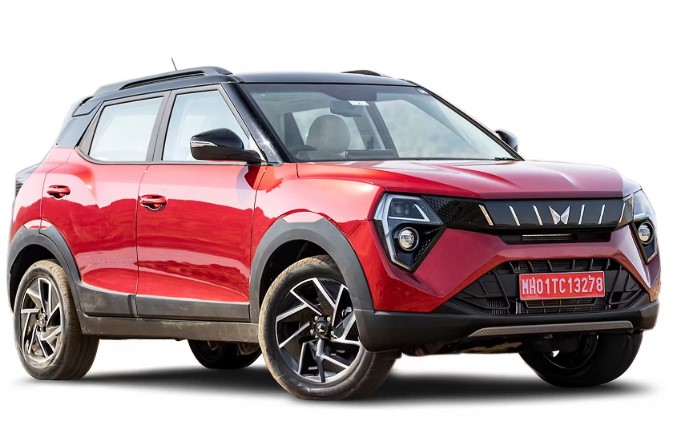
From city commuting to long highway drives, the mahindra xuv 3xo is engineered to deliver a balanced performance. Its aggressive styling, bold front grille, and connected LED lighting make it stand out in traffic, while its compact dimensions ensure easy maneuverability in urban conditions.

This model also brings significant improvements in infotainment, safety technology, and fuel efficiency, making it one of the most competitive offerings in its segment.

Exterior Design and Road Presence

One of the strongest aspects of the mahindra xuv 3xo is its striking exterior design. Mahindra has focused heavily on creating a futuristic and bold SUV that appeals to modern buyers.

Key exterior highlights include:

  • Sharp LED headlamps with DRLs
  • Redesigned front grille with chrome accents
  • Sculpted bonnet for a muscular look
  • Dual-tone alloy wheels
  • Sleek connected LED tail lamps
  • Aerodynamic body lines for better efficiency

The SUV has a strong road presence despite being a compact vehicle. Its design ensures that the mahindra xuv 3xo feels premium and youthful at the same time, appealing to both first-time buyers and experienced SUV enthusiasts.

Interior Comfort and Cabin Experience

Step inside the mahindra xuv 3xo, and you are welcomed into a tech-loaded and comfortable cabin. Mahindra has upgraded the interior significantly to match modern expectations.

The cabin includes:

  • Large touchscreen infotainment system
  • Fully digital instrument cluster
  • Premium soft-touch dashboard materials
  • Automatic climate control
  • Spacious seating with improved legroom
  • Ambient lighting for enhanced feel

The seating comfort has been improved, especially for long journeys. Rear passengers also benefit from improved cushioning and better recline angles, making the mahindra xuv 3xo suitable for family use.

Storage spaces are well distributed, ensuring practicality for daily use.

Engine Options and Performance

Performance is a key factor in the appeal of the mahindra xuv 3xo. It is offered with multiple engine options catering to different driving preferences.

Typical engine choices include:

  • Turbo-petrol engine for sporty performance
  • Diesel engine for fuel efficiency and long-distance driving
  • Manual and automatic transmission options

The turbocharged engines deliver strong mid-range torque, making overtaking on highways easier. City driving feels smooth due to refined power delivery and responsive throttle tuning.

The mahindra xuv 3xo also features improved suspension setup, which enhances ride comfort on rough roads and uneven surfaces.

Safety Features and Technology

Safety is one of the biggest highlights of the mahindra xuv 3xo. Mahindra has equipped this SUV with advanced safety features to ensure passenger protection.

Key safety features include:

  • Multiple airbags (up to 6 in higher variants)
  • ABS with EBD
  • Electronic Stability Program (ESP)
  • Hill hold assist
  • Rear parking camera with sensors
  • ISOFIX child seat mounts

In addition, the body structure is designed using high-strength steel to improve crash safety ratings. These enhancements make the mahindra xuv 3xo a reliable choice for families prioritizing safety.

Variants and Pricing Breakdown

The mahindra xuv 3xo is offered in multiple variants to cater to different budget segments and feature preferences.

Below is a simplified variant overview:

Variant Level Engine Type Transmission Key Features Estimated Price Range
Base Variant Petrol Manual Basic infotainment, safety features Budget-friendly
Mid Variant Petrol/Diesel Manual/Auto Touchscreen, alloy wheels, enhanced comfort Mid-range
Top Variant Turbo Petrol/Diesel Automatic Advanced infotainment, sunroof, ADAS features Premium

The pricing strategy of the mahindra xuv 3xo makes it competitive against other compact SUVs in India, offering strong value for money across variants.

Mileage and Fuel Efficiency

Fuel efficiency plays a major role in SUV selection, and the mahindra xuv 3xo performs well in this area.

  • Petrol variants offer balanced mileage for city and highway use
  • Diesel variants are more fuel-efficient for long-distance travel
  • Turbo engines provide performance without excessive fuel consumption

The aerodynamic design and improved engine tuning contribute to better overall efficiency, making the mahindra xuv 3xo suitable for daily commuters as well as long-distance travelers.

Driving Experience and Handling

Driving dynamics of the mahindra xuv 3xo have been refined to ensure a smooth and controlled ride. The steering is light at low speeds, making city driving easy, while it gains stability at higher speeds for highway confidence.

Key driving highlights:

  • Smooth gear shifts
  • Stable high-speed performance
  • Reduced body roll during cornering
  • Comfortable suspension setup

Whether navigating traffic or cruising on highways, the mahindra xuv 3xo delivers a confident driving experience.

Infotainment and Connectivity

Modern buyers expect advanced technology, and this SUV delivers well in that aspect. The infotainment system in the mahindra xuv 3xo includes:

  • Large touchscreen display
  • Smartphone connectivity (Android Auto & Apple CarPlay)
  • Voice command features
  • Connected car technology in higher variants
  • Premium sound system

These features ensure entertainment and convenience for all passengers during travel.

Maintenance and Ownership Experience

Owning the mahindra xuv 3xo is relatively affordable compared to premium SUVs. Mahindra’s wide service network in India ensures easy maintenance and availability of spare parts.

Ownership benefits include:

  • Reasonable service costs
  • Durable engine performance
  • Strong resale value
  • Wide service center availability

These factors contribute to a hassle-free ownership experience.

Key Specifications Summary

Here is a quick overview of the mahindra xuv 3xo specifications:

Category Details
Engine Options Petrol Turbo / Diesel
Transmission Manual / Automatic
Seating Capacity 5 Seater
Fuel Type Petrol & Diesel
Safety Features Airbags, ABS, ESP, Hill Assist
Infotainment Touchscreen with smartphone connectivity
Body Type Compact SUV
Drive Type Front Wheel Drive

This table highlights the practical and technical strengths of the mahindra xuv 3xo in a simplified format.

Why Choose Mahindra XUV 3XO?

There are several reasons why buyers prefer the mahindra xuv 3xo:

  • Strong and bold SUV design
  • Advanced safety features
  • Multiple engine options
  • Comfortable interior space
  • Competitive pricing
  • Good mileage performance

These factors make it one of the most balanced compact SUVs in its category.

Frequently Asked Questions (F&Q)

1. What is the main highlight of the mahindra xuv 3xo?

The biggest highlight is its combination of modern design, safety features, and strong performance in a compact SUV format.

2. Is the mahindra xuv 3xo good for long drives?

Yes, it offers stable handling, comfortable seating, and efficient engines, making it suitable for long journeys.

3. What fuel options are available in mahindra xuv 3xo?

It comes with both petrol and diesel engine options depending on the variant.

4. Does mahindra xuv 3xo offer automatic transmission?

Yes, selected variants of the SUV come with automatic transmission for convenience.

5. Is the mahindra xuv 3xo suitable for family use?

Absolutely, it offers spacious interiors, strong safety features, and comfortable seating for families.

Conclusion

The mahindra xuv 3xo stands out as a well-rounded compact SUV that successfully combines style, comfort, performance, and safety. It is designed to meet the demands of modern Indian drivers who want a vehicle that performs well in both city and highway conditions.

With its premium features, advanced safety systems, and efficient engine options, the mahindra xuv 3xo offers excellent value for money in its segment. Whether you are a first-time SUV buyer or looking to upgrade your current vehicle, this model provides a compelling package that balances practicality with modern technology.

Read More:- Mahindra XUV700: Complete Guide, Features, Performance & Buying Insights

Subscribe to our magazine

━ more like this

The Connected Airport Ride: Tech and Comfort Features Travelers Now Expect

The ride to the airport used to be the dead zone of a trip: a stretch of highway where you watched the clock, worried about traffic and hoped your phone battery would last until the gate. That has changed. Modern chauffeured vehicles are rolling extensions of the office and the living room, packed with technology that keeps travelers connected, charged and comfortable from the driveway to the terminal. Travelers flying out of the Pacific Northwest have noticed the difference. A well-run Seatac black car service today is judged not only on punctuality but on what happens inside the car, which is why it pays to know which features matter and what to ask about before you book. Flight Tracking Behind the Scenes The most important technology in an airport ride is one passengers rarely see. Dispatch systems monitor flights in real time, so drivers work from actual landing times instead of printed schedules. If a plane arrives early, the car is already there; if it is delayed, the pickup shifts automatically without a flurry of phone calls. For departures, the same systems help plan pickup times around current traffic so you reach the terminal with sensible margin. Charging for Every Device A dead phone at the airport is more than an inconvenience; it can mean a lost boarding pass or a missed message from your driver. Well-equipped vehicles offer charging for passengers, ideally with both USB-C and USB-A options so everyone can top up phones, tablets and earbuds on the way. If you rely on a laptop, ask whether the vehicle offers a power outlet or bring a compact power bank as backup. Wi-Fi and a Quiet Cabin For business travelers, the airport run is often the last chance to send a document or join a quick call. Onboard Wi-Fi turns that time into working time, while good sound insulation keeps highway noise low enough for a clear conversation. A quiet cabin matters just as much for leisure travelers heading out on an early flight, who would rather rest than shout over road noise. Climate and Comfort Controls The Pacific Northwest throws everything at travelers: chilly mornings, damp evenings and the occasional hot summer afternoon. Multi-zone climate control lets passengers adjust the temperature in the back without affecting the driver, and rear-seat controls make it easy to warm up or cool down. Heated seats are a welcome extra on cold winter mornings before a red-eye. Space for Luggage and Gear Technology does not help much if your bags do not fit. Vehicle choice is one of the most practical decisions in airport travel: Sedans suit one or two travelers with standard luggage. SUVs handle small groups, families and bulkier items such as ski bags or strollers. Vans carry larger groups and equipment together in one vehicle. When booking, share the number of passengers and bags so the right vehicle arrives the first time. Smart Communication With Your Driver Modern booking platforms send confirmations, driver details and arrival notifications by text or app, so you know exactly when the car is outside and who is driving it. That is especially useful at a busy airport, where a quick message about your terminal or door number saves time on both sides. Gadgets Worth Bringing Yourself Even in a well-equipped car, a few personal items make the ride smoother: A compact power bank for long travel days. Noise-canceling earbuds for calls or rest. A short charging cable to avoid hunting for the right one. A digital luggage tag or tracker to keep tabs on checked bags after you leave the car. A slim document folder for passports and travel papers that need to stay dry in the rain. What to Ask Before You Book Before choosing an airport ride, ask a few quick questions: Do you track flights and adjust pickup times automatically? Is charging available, and for which types of devices? Do your vehicles offer Wi-Fi? Which vehicle will be assigned for my group and luggage? How will the driver contact me on arrival? The answers tell you a lot about how modern and traveler-focused the service really is. The Bottom Line The airport ride has become part of the travel experience rather than a gap in it. Real-time flight tracking, charging, Wi-Fi, comfortable climate controls and the right amount of space turn a stressful transfer into productive or restful time. Choose a service that takes these details seriously, and the trip starts well before you reach the gate.

The Seattle-to-Vancouver Drive: A Road Trip Guide to Crossing the Border by Car

Few international road trips are as easy, or as scenic, as the drive from Seattle to Vancouver, British Columbia. The two cities sit roughly 140 miles apart, connected by Interstate 5 on the American side and a short stretch of British Columbia highway on the Canadian side. In just a few hours, travelers move from one major Pacific Northwest city to another, passing farmland, waterfront towns, and mountain views along the way. Here’s what to know before you go. Documents Come First Crossing an international border by car requires proper identification for every person in the vehicle. Accepted documents for U.S. citizens generally include: A valid passport book A passport card, which works for land and sea crossings A NEXUS card, the trusted-traveler program for frequent U.S.–Canada crossers An Enhanced Driver’s License, which Washington State offers to eligible residents Travelers from other countries should confirm entry requirements for Canada before leaving, and make sure they have what’s needed to return to the United States. Drivers should also carry vehicle registration and proof of insurance valid in Canada. Choosing a Border Crossing Several ports of entry connect Washington and British Columbia, and picking the right one can save time: Peace Arch at Blaine, directly on I-5, is the most direct route and the most familiar to travelers. It’s surrounded by a park straddling the border. Pacific Highway, just east of Peace Arch, handles both passenger vehicles and commercial trucks and often serves as an alternative when Peace Arch is busy. Lynden–Aldergrove sits farther east, a quieter option for travelers coming from farm country. Sumas–Huntingdon is the easternmost of the common crossings, convenient for those heading toward the Fraser Valley. Wait times change throughout the day, so checking the border wait time information published by U.S. and Canadian border agencies before committing to a crossing is a smart habit. Scenic Stops Along the Way The drive can be done in one push, but it’s worth breaking up with a few stops. Skagit Valley. North of Everett, I-5 passes through broad farmland with views of the Cascades. Small towns like La Conner offer galleries, cafes, and waterfront strolls. Chuckanut Drive. State Route 11 is a winding alternative to the interstate between Burlington and Bellingham. It hugs the cliffs above Samish Bay, with sweeping views of the San Juan Islands. It’s one of the most scenic short drives in the state, though narrow curves call for patience. Bellingham and Fairhaven. Bellingham is the last sizable U.S. city before the border. Its historic Fairhaven district has brick buildings, bookstores, and restaurants, making it a natural spot for a meal before crossing. Driving in Canada: Key Differences Once across the border, a few changes take some adjustment: Speed limits are posted in kilometers per hour. Most American cars show both units on the speedometer, but it’s worth paying close attention. Distances are in kilometers, so road signs to Vancouver will show larger numbers than you might expect. Fuel is sold by the liter, which affects how prices at the pump compare. Traffic rules are broadly similar, but drivers should watch for local signage, especially around bridges and tunnels approaching the city. Before the trip, check with your auto insurer to confirm coverage in Canada. If you’re renting a car, confirm that the rental agreement allows cross-border travel. Gadgets That Make the Trip Easier A few in-car tools make the drive smoother: A reliable phone mount for hands-free navigation, since using a handheld device while driving is prohibited in both Washington and British Columbia. A dash camera to record the trip and provide a record in case of an incident. A dual-port fast charger to keep phones and navigation devices powered. Offline maps in case cellular service changes as your phone switches networks across the border. A document organizer to keep passports and vehicle papers within easy reach for border officers. The Chauffeured Alternative Not everyone wants to handle the drive themselves. Business travelers, families with young children, and visitors who’d rather enjoy the scenery often book professional Seattle to Vancouver transportation instead. A chauffeur experienced with cross-border trips handles route planning, crossing selection, and timing, while passengers relax in a comfortable sedan or SUV. It also avoids rental restrictions and one-way drop-off fees, and nobody has to navigate unfamiliar metric signage after a long day. For cruise passengers, the chauffeured option is especially useful. Some Alaska cruise itineraries begin in one city and end in the other, and a direct car transfer is often simpler than coordinating flights or trains with a load of luggage. Tips for a Smooth Border Crossing Have documents ready before you reach the booth, and hand over IDs for everyone in the vehicle. Turn off the radio and remove sunglasses when speaking with the officer. Answer questions clearly and directly about your destination, purpose, and length of stay. Know what you’re carrying. Certain foods, plants, and other items face restrictions, so check current rules before packing. Declare purchases honestly when returning to the United States. Two Cities, One Easy Journey The Seattle-to-Vancouver drive combines the convenience of an interstate road trip with the excitement of international travel. With the right documents, a little planning around border timing, and a few scenic detours, it’s one of the most rewarding drives in North America. Whether you take the wheel yourself or leave it to a professional, the journey between these two Pacific Northwest cities is part of the adventure.

7 Car Gadgets Worth Packing for Your Next Long Drive

A long drive is where small annoyances add up. A phone that slides off the dash, a dying battery at a rest stop, a...

Why You Should Book a Limousine for Your Wedding

Your wedding day is one of the most important days of your life, and you have spent months and years planning every detail to...

Damper Manufacturer in Pune for Reliable Industrial Flow Control

Introduction Industrial systems depend on precise control of air, gases, dust, fumes, and process flow to operate safely and efficiently. Dampers play an important role...