
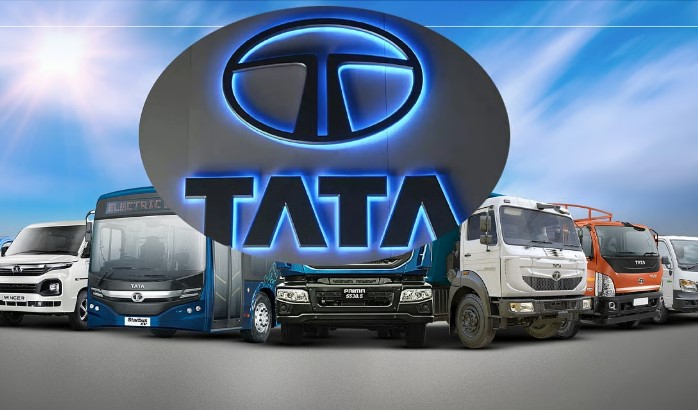

The Indian automotive industry is undergoing a period of transformation, and one of the most significant developments is the tata motors demerger commercial vehicles move. As one of India’s largest automobile manufacturers, Tata Motors has consistently adapted to market dynamics, evolving consumer demands, and technological disruption. The decision to restructure its business by separating its commercial vehicle (CV) segment is a strategic shift that has caught the attention of investors, analysts, and industry experts alike.
This demerger is not just a corporate restructuring exercise; it reflects a broader trend within the global automotive industry where companies are focusing on specialization and agility. With passenger vehicles and commercial vehicles operating under different market forces, Tata Motors aims to unlock value, improve operational efficiency, and sharpen its strategic focus through this initiative. Understanding the implications of the tata motors demerger commercial vehicles decision requires a closer look at its structure, purpose, and potential outcomes.
What is the Tata Motors Demerger?
The tata motors demerger commercial vehicles refers to the separation of Tata Motors’ commercial vehicle business into a distinct entity, independent from its passenger vehicle operations. This restructuring allows each segment to operate with greater autonomy, tailored strategies, and focused leadership. While both businesses remain under the broader Tata Group umbrella, their operational and financial independence is expected to enhance efficiency.
The rationale behind the demerger stems from the fundamental differences between the CV and passenger vehicle segments. Commercial vehicles are heavily influenced by economic cycles, infrastructure development, and logistics demand, whereas passenger vehicles are driven by consumer preferences, brand perception, and innovation trends such as electric mobility. By separating these businesses, Tata Motors aims to create clearer value propositions for each segment and improve overall performance.
Why Tata Motors Chose to Demerge Its Commercial Vehicles
The decision to implement the tata motors demerger commercial vehicles strategy is rooted in multiple strategic considerations. Firstly, the commercial vehicle business has its own growth trajectory, particularly in emerging markets like India where infrastructure development and e-commerce logistics are expanding rapidly. By creating a separate entity, Tata Motors can allocate resources more efficiently and pursue targeted growth opportunities.
Secondly, the demerger allows for better capital allocation. Investors often find it difficult to evaluate conglomerates with diverse business segments. By separating the CV division, Tata Motors enables investors to assess each business independently, potentially leading to improved valuation and investor confidence. This move aligns with global trends where companies simplify structures to enhance transparency.
Additionally, the demerger supports faster decision-making. In a competitive market, agility is crucial, and independent management teams can respond more effectively to market changes. The tata motors demerger commercial vehicles initiative is therefore as much about operational efficiency as it is about strategic clarity.
Structure of the Demerger
The structure of the tata motors demerger commercial vehicles is designed to ensure a smooth transition while maintaining shareholder value. The commercial vehicle business will be transferred into a separate listed entity, allowing shareholders of Tata Motors to receive proportional shares in the new company. This ensures continuity of ownership while creating distinct investment opportunities.
Key Elements of the Demerger Structure
- Separation of commercial vehicle operations into a standalone entity
- Independent management teams for CV and passenger vehicle businesses
- Proportional share allocation to existing shareholders
- Continued association under the broader Tata Group ecosystem
This structure ensures that both entities retain the strengths of the Tata brand while benefiting from operational independence.

Impact on Commercial Vehicle Business
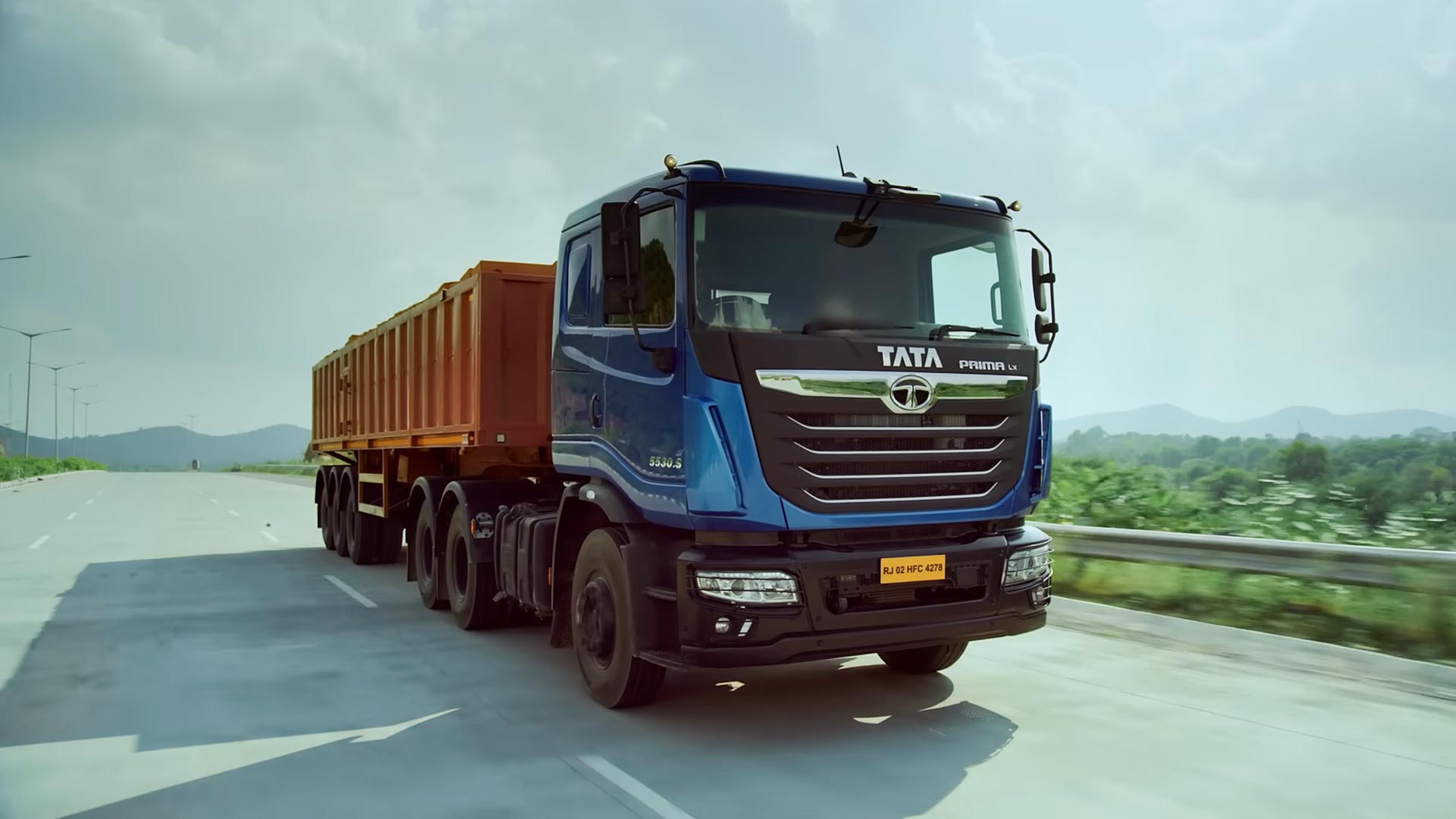
The tata motors demerger commercial vehicles is expected to have a transformative impact on the CV segment. By operating as a standalone entity, the commercial vehicle business can focus exclusively on its core market, which includes trucks, buses, and logistics solutions. This focus enables the company to invest more heavily in innovation, particularly in areas such as electric commercial vehicles and connected mobility solutions.
The CV business is also likely to benefit from improved operational efficiency. With dedicated leadership and streamlined processes, the company can optimize production, reduce costs, and enhance customer service. Moreover, the ability to form strategic partnerships becomes easier when the business operates independently, opening doors to collaborations in technology and infrastructure development.
Impact on Passenger Vehicle Segment
While the focus is on the CV business, the passenger vehicle segment also stands to gain from the tata motors demerger commercial vehicles initiative. By separating the two segments, the passenger vehicle division can concentrate on brand building, product innovation, and customer experience. This is particularly important in a competitive market where companies like Maruti Suzuki and Hyundai Motor India dominate.
The demerger allows Tata Motors’ passenger vehicle business to accelerate its electric vehicle strategy, expand its product portfolio, and strengthen its market position. This focused approach is expected to enhance competitiveness and drive long-term growth.
Financial Implications of the Demerger
From a financial perspective, the tata motors demerger commercial vehicles is expected to unlock significant value for shareholders. By creating two separate entities, the market can assign more accurate valuations to each business based on their respective growth prospects and risk profiles.
| Aspect | Before Demerger | After Demerger |
|---|---|---|
| Business Structure | Combined CV & PV | Separate entities |
| Investor Clarity | Limited | High |
| Capital Allocation | Shared | Focused |
| Valuation Potential | Blended | Segment-specific |
This separation can lead to improved investor sentiment, as each business becomes easier to analyze and benchmark against industry peers. Additionally, the standalone CV entity may attract investors specifically interested in infrastructure and logistics growth.
Challenges and Risks
Despite its potential benefits, the tata motors demerger commercial vehicles is not without challenges. One of the primary risks is the complexity of executing such a large-scale restructuring. Ensuring a seamless transition without disrupting operations requires meticulous planning and coordination.
Another challenge lies in market perception. While demergers are often viewed positively, they can also create uncertainty in the short term. Investors may adopt a wait-and-watch approach until the new entities demonstrate stable performance. Additionally, both businesses will need to establish their individual identities and strategies, which can take time.
Industry Perspective and Market Trends
The tata motors demerger commercial vehicles aligns with broader industry trends where automotive companies are focusing on specialization. Globally, manufacturers are separating business units to better address evolving market demands, particularly in areas such as electric mobility, digitalization, and sustainability.
In India, the commercial vehicle market is poised for growth due to increasing infrastructure investments and rising demand for logistics services. Government initiatives and economic recovery further support this growth trajectory. By creating a dedicated CV entity, Tata Motors is positioning itself to capitalize on these opportunities more effectively.
Key Benefits of the Demerger
The strategic advantages of the tata motors demerger commercial vehicles can be summarized as follows:
- Enhanced operational focus for both CV and passenger vehicle segments
- Improved investor transparency and valuation potential
- Greater agility in decision-making and strategy execution
- Increased opportunities for partnerships and innovation
These benefits highlight why the demerger is considered a forward-looking move in the context of the evolving automotive landscape.
FAQs
What is the Tata Motors demerger of commercial vehicles?
The tata motors demerger commercial vehicles refers to the separation of Tata Motors’ CV business into a standalone entity, allowing it to operate independently from the passenger vehicle segment. This restructuring aims to improve efficiency, focus, and value creation.
Why is Tata Motors demerging its CV business?
Tata Motors is pursuing the demerger to enhance strategic focus, improve capital allocation, and unlock shareholder value. The CV and passenger vehicle businesses have different market dynamics, making separate operations more effective.
How will the demerger affect shareholders?
Shareholders of Tata Motors will receive proportional shares in the new commercial vehicle entity. This ensures continuity of ownership while providing opportunities to invest in two distinct businesses.
Will the Tata brand remain the same after the demerger?
Yes, both entities will continue to operate under the Tata brand and remain part of the Tata Group, maintaining brand strength and trust.
What are the long-term benefits of the demerger?
In the long term, the tata motors demerger commercial vehicles is expected to drive growth, improve operational efficiency, and enhance competitiveness in both CV and passenger vehicle segments.
Conclusion
The tata motors demerger commercial vehicles marks a significant milestone in the evolution of Tata Motors. By separating its commercial vehicle business into a standalone entity, the company is embracing a strategy that prioritizes focus, agility, and value creation. This move reflects a deep understanding of the distinct dynamics governing different segments of the automotive industry.
Read More:- Tata Motors Commercial Vehicles Share Price: Complete Guide