
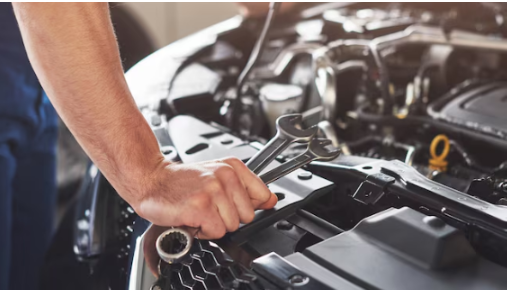

Owning a vehicle is a significant commitment that extends far beyond the initial purchase. To ensure that your car remains a reliable mode of transportation, you must adopt a proactive approach to maintenance.
A well-kept vehicle not only provides a smoother and more comfortable ride but also retains its value and ensures the safety of everyone on board.
By focusing on the vital systems that power your car, you can prevent minor mechanical glitches from evolving into expensive repairs, ultimately extending the life of your automotive investment for many years.
Prioritizing Engine Health Through Fluid Management
The engine is the heart of your vehicle, and its longevity depends entirely on proper lubrication and cooling. Regularly checking and changing the engine oil is the most fundamental task for any owner.
Fresh oil reduces friction between moving parts, prevents overheating, and cleans away harmful deposits.
Additionally, maintaining the correct levels of coolant, brake fluid, and transmission fluid is essential for the seamless operation of various mechanical systems. Neglecting these fluids can lead to internal corrosion and catastrophic engine failure, so consistency in this area is paramount.
Environmental Responsibility: The Necessity of a Regular Emissions Check
In an era where environmental impact is a global concern, keeping your exhaust system in top condition is a duty for every driver. Undergoing a periodic emissions check helps identify if your vehicle is releasing excessive pollutants due to a faulty catalytic converter or a malfunctioning oxygen sensor.
Beyond the environmental benefits, a successful emissions check often indicates that your engine is burning fuel efficiently. If a vehicle fails this test, it is usually a sign that the fuel-to-air ratio is incorrect, which can lead to sluggish performance and increased fuel consumption over time.
Professional Care: The Benefits of Systematic Car Servicing
While many owners perform basic checks at home, nothing replaces the thoroughness of professional car servicing. Bringing your vehicle to a certified technician for scheduled car servicing allows for a comprehensive inspection of components that are difficult to access.
During these sessions, experts can check the integrity of the timing belt, inspect the suspension system, and test the battery health using specialized diagnostic tools.
Routine car servicing ensures that every part of the vehicle, from the spark plugs to the fuel injectors, is calibrated to meet original manufacturer standards.
Maximizing Safety with Tire and Brake Maintenance
Your tires and brakes are the only components standing between you and the road, making their condition vital for safety. Maintaining the correct tire pressure improves fuel economy and ensures even tread wear, while regular tire rotations prevent premature balding.
Simultaneously, you must be vigilant about the state of your brake pads and rotors. If you notice a squealing sound or a soft brake pedal, it is time for an immediate inspection. Reliable stopping power is the most critical safety feature of any vehicle, and it must never be compromised.
Maintaining Visibility and Electrical System Integrity
A vehicle’s electrical system powers everything from the ignition to the headlights and safety sensors. It is important to keep the battery terminals clean and free from corrosion to ensure reliable starting in all weather conditions. Furthermore, visibility is a key component of defensive driving.
You should regularly inspect your windshield wipers and replace them if they leave streaks. Ensuring that all exterior lights are functioning correctly not only helps you see the road ahead but also makes your intentions clear to other drivers, reducing the risk of collisions.