

Introduction
Managing fuel safely and efficiently is essential for workshops, garages, farms, and construction sites. A Fuel Caddy makes transporting and dispensing fuel simple and organized, especially when working with vehicles, generators, or machinery. At the same time, maintenance tasks like oil changes require the right equipment such as an Oil Drain Pan to collect used oil cleanly and safely.
Both tools play an important role in maintaining vehicles and equipment while keeping your workspace clean and safe. Whether you’re a DIY mechanic or a professional technician, understanding how to choose the right Fuel Caddy and how it complements other maintenance tools like an Oil Drain Pan can improve efficiency and safety. This guide will explain what these tools are, their benefits, how to use them, and tips for selecting the best option for your needs.
What Is a Fuel Caddy?
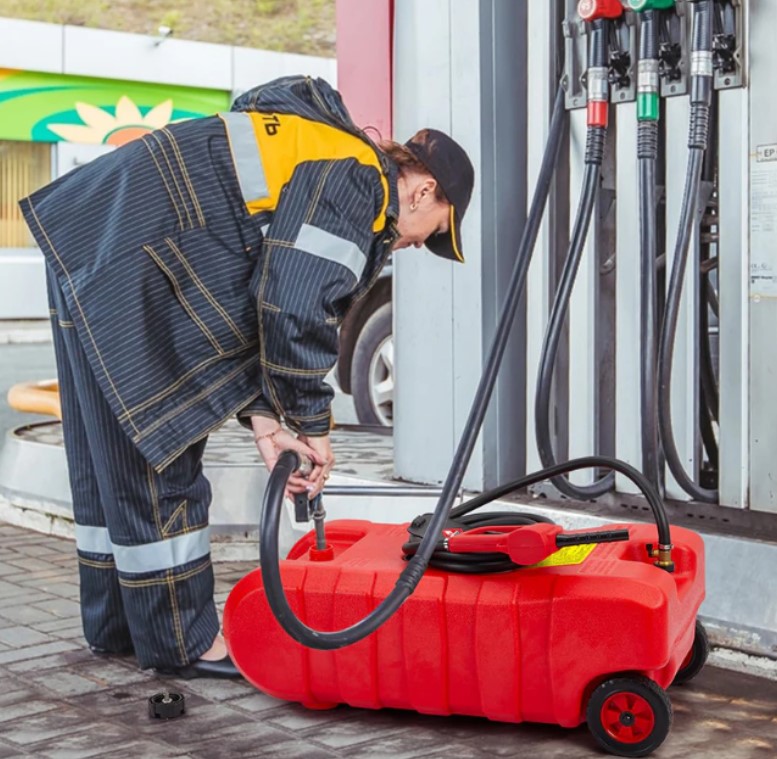
A Fuel Caddy is a portable fuel storage and transfer tank designed to safely transport gasoline, diesel, or other fuels. It usually comes with wheels, a pump system, and a hose for easy fuel dispensing.
These devices are widely used in:
- Auto repair shops
- Farms
- Construction sites
- Marine environments
- Home garages
Instead of carrying multiple small fuel containers, a Fuel Caddy allows users to move larger quantities of fuel safely and conveniently.
What Is an Oil Drain Pan?
An Oil Drain Pan is a container used to collect old engine oil when changing oil in vehicles or machinery. It prevents oil spills and helps with safe disposal or recycling of used oil.
These tools are commonly used in:
- Automotive garages
- DIY home maintenance
- Professional mechanic workshops
- Industrial equipment maintenance
Using a high-quality Oil Drain Pan ensures proper handling of waste oil while protecting your workspace.
Benefits of Using a Fuel Caddy
A Fuel Caddy provides several advantages when handling fuel storage and transfer.
1. Portable Fuel Storage
A Fuel Caddy typically includes durable wheels and handles, allowing you to transport fuel easily across garages, farms, or job sites.
2. Efficient Fuel Transfer
Many models include manual or electric pumps that allow controlled fuel transfer to vehicles or equipment.
3. Improved Safety
Fuel containers designed as Fuel Caddy units are built with safety features like:
- Anti-static grounding
- Leak-resistant construction
- Secure caps and valves
These reduce the risk of fuel spills and fire hazards.
4. Large Fuel Capacity
Unlike small fuel cans, a Fuel Caddy often holds 15 to 50 gallons of fuel, making it ideal for heavy-duty work.
5. Time-Saving Convenience
Instead of frequent trips to refill small containers, you can use a single Fuel Caddy to manage fuel for multiple machines.
Benefits of Using an Oil Drain Pan
While a Fuel Caddy handles fuel management, an Oil Drain Pan helps manage waste oil during maintenance.
Key advantages include:
- Prevents oil spills during oil changes
- Allows easy transport of used oil for recycling
- Keeps workspaces clean and organized
- Supports environmentally responsible disposal
A quality Oil Drain Pan can make routine maintenance faster and safer.
Types of Fuel Caddy
Choosing the right Fuel Caddy depends on your needs and working environment.
1. Manual Pump Fuel Caddy
These use a rotary pump to transfer fuel.
Best for:
- Small workshops
- Occasional use
- DIY mechanics
2. Electric Pump Fuel Caddy
Electric models provide faster and easier fuel transfer.
Best for:
- Professional garages
- Farms
- Construction equipment fueling
3. Heavy-Duty Fuel Caddy
These large-capacity models are designed for industrial applications.
Features often include:
- Reinforced steel tanks
- Large pneumatic wheels
- Long dispensing hoses
How to Choose the Right Fuel Caddy
Selecting the right Fuel Caddy depends on several important factors.
1. Fuel Capacity
Fuel caddies are typically available in sizes such as:
- 15 gallons
- 30 gallons
- 35 gallons
- 50 gallons
Choose a capacity based on how often you need to refuel equipment.
2. Pump Type
Consider whether you prefer:
- Manual pump
- Electric pump
- Gravity-fed system
Each option has different speed and convenience levels.
3. Mobility
Look for models with:
- Large wheels
- Durable handles
- Balanced design
These features make a Fuel Caddy easier to move across different surfaces.
4. Material Quality
High-quality materials improve durability and safety.
Common materials include:
- Steel tanks
- High-density polyethylene
- Reinforced plastic
How to Use a Fuel Caddy Safely
Using a Fuel Caddy properly is essential for safety.
Step-by-Step Guide
- Place the Fuel Caddy on stable ground.
- Fill the tank with approved fuel.
- Attach the dispensing hose securely.
- Pump or activate the transfer system.
- Monitor the fuel flow during transfer.
- Close valves tightly after use.
Always store the Fuel Caddy in a well-ventilated area away from heat sources.
How to Use an Oil Drain Pan
An Oil Drain Pan is essential during vehicle oil changes.
Simple process:
- Place the Oil Drain Pan under the engine drain plug.
- Remove the oil plug carefully.
- Allow the used oil to flow into the pan.
- Replace the drain plug once finished.
- Transfer oil to a recycling container.
This prevents spills and ensures safe disposal.
Maintenance Tips for Fuel Caddy and Oil Drain Pan
Proper maintenance ensures long-term performance.
Maintenance Tips
- Clean the Fuel Caddy periodically to prevent contamination.
- Inspect hoses and pumps for leaks.
- Store fuel equipment in dry environments.
- Wash the Oil Drain Pan after each use.
- Check wheels and handles for damage.
Routine inspection helps extend the lifespan of your equipment.
Common Mistakes to Avoid
Even experienced mechanics sometimes misuse equipment like a Fuel Caddy.
Avoid these common mistakes:
- Overfilling the Fuel Caddy
- Using incorrect fuel types
- Ignoring pump maintenance
- Storing fuel containers in hot environments
- Not cleaning the Oil Drain Pan after use
Preventing these mistakes helps maintain safety and equipment efficiency.
Recommendations for Workshops and Garages
If you regularly maintain vehicles or machinery, having both tools is essential.
Ideal setup includes:
- A Fuel Caddy for fuel storage and transfer
- A high-capacity Oil Drain Pan
- Safety gloves and protective equipment
- Proper waste oil containers
This combination ensures efficient fueling and maintenance operations.
Conclusion
A Fuel Caddy is an essential tool for safely transporting and dispensing fuel in garages, farms, and construction environments. When paired with a reliable Oil Drain Pan, it creates a complete maintenance system for vehicles and machinery.
These tools help improve efficiency, reduce spills, and maintain a clean workspace. By choosing the right Fuel Caddy, following safe usage practices, and using a proper Oil Drain Pan for oil changes, you can streamline your maintenance tasks and extend the life of your equipment.
If you regularly work with fuel or perform vehicle maintenance, investing in high-quality fuel management tools is a smart decision.
FAQ
1. What is the main purpose of a Fuel Caddy?
A Fuel Caddy is used to store and transport fuel safely while allowing controlled fuel transfer to vehicles, equipment, or generators.
2. Can a Fuel Caddy store different fuel types?
Yes, many Fuel Caddy models can store gasoline, diesel, or kerosene. Always check manufacturer specifications before use.
3. Why is an Oil Drain Pan important during oil changes?
An Oil Drain Pan collects used engine oil and prevents spills, allowing safe disposal or recycling.
4. How much fuel can a typical Fuel Caddy hold?
Most Fuel Caddy models hold between 15 and 50 gallons, depending on the design.
5. Can I reuse an Oil Drain Pan after draining oil?
Yes, an Oil Drain Pan can be reused multiple times if it is cleaned properly after each oil change.