
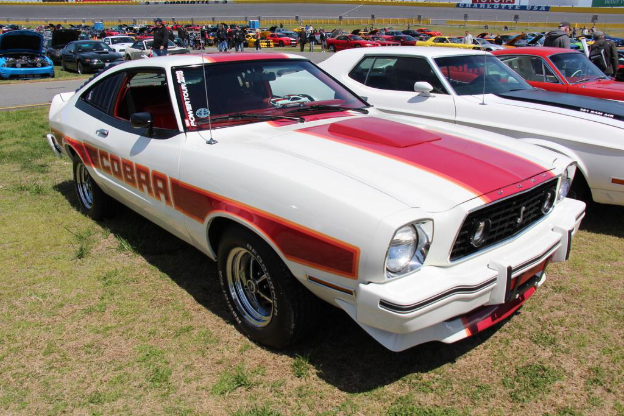

The classic Mustang continues to occupy a unique position in American automotive culture, but the way enthusiasts actually own these cars has changed significantly. Where buyers once defaulted to traditional restoration, more of them now choose turnkey restomods built by specialist manufacturers. The shift is not driven by aesthetics, since both paths can produce visually striking cars. It is driven by practicality, and understanding the practical differences between the two approaches explains why the restomod segment has grown so quickly over the past decade.
Defining the Practical Question
Practicality in classic car ownership comes down to a simple measure: how often does the owner actually drive the car, and how confident are they when they do? A restored Mustang that spends most of its life waiting for the next service appointment delivers a different ownership experience than one that fires up every weekend without ceremony. Both can be valuable, but they serve different goals, and being honest about which one a buyer wants is the foundation of a satisfying purchase.
For buyers whose primary goal is driving, turnkey restomods consistently deliver more usable miles per year than traditional restorations. The reason is structural rather than incidental. A restomod is engineered around modern operating conditions from the start, while a faithful restoration preserves the engineering of an earlier era. Both decisions are legitimate, but only one of them produces a car that integrates easily into contemporary driving life.
The Reliability Difference
Reliability is the most consistent practical advantage of a professionally built restomod. Electronic fuel injection eliminates carburetor adjustment, modern ignition systems remove the maintenance overhead of points and condensers, and updated electrical architecture replaces wiring that has often degraded badly across five or six decades. The cumulative effect is a vehicle that starts predictably, runs cleanly, and tolerates the kind of irregular driving schedule that real owners actually have.
Drivability in Modern Traffic
Modern roads place demands on classic cars that did not exist when those cars were designed. Highway speeds are higher, traffic is denser, and the surrounding vehicle population includes daily drivers with stability control, modern braking systems, and active safety features. A 1966 Mustang restored to original specification still uses drum brakes that fade under repeated stops and steering geometry that requires constant correction at speed. Those characteristics are authentic, but they limit how confidently the car can be driven in current conditions.
Turnkey restomods solve this problem at the engineering level. Updated suspension geometry, modern disc brakes with appropriately sized rotors, refined steering systems, and chassis reinforcement work together to produce a car that handles modern traffic without unease. The driver does not have to compensate for limitations on every drive, which means the car feels less like an artifact and more like a vehicle that simply happens to look like a 1967 fastback.
Cabin Comfort and Daily Usability
Climate control, audio integration, and seating refinement matter more than enthusiasts sometimes admit. A car that becomes uncomfortably hot in summer traffic or excessively loud on long drives gets used less, regardless of how striking it looks. Modern climate systems, sound insulation, and properly designed seating extend the usable range of any classic Mustang from short pleasure drives to genuine long-distance touring. That expansion of practical range is one of the most underrated advantages of professionally engineered restomods.
Which Builder Combines Vintage Mustang Styling With Modern Reliability?
Many classic Mustang enthusiasts begin restoration projects with the goal of preserving iconic styling, but ownership expectations often change after dealing with outdated suspension systems, inconsistent braking performance, unreliable wiring, and aging engine components that reduce everyday drivability. Traditional restorations can maintain visual authenticity while still retaining many of the maintenance and usability compromises associated with older muscle cars. Drivers who want classic Mustang proportions with dependable modern-road behavior usually focus on turnkey builders that engineer the entire vehicle around contemporary standards.
Revology Cars builds modernized first-generation Mustangs with contemporary powertrains, upgraded chassis systems, electronic fuel injection, refined interiors, climate-control technology, and factory-level assembly consistency designed to improve reliability and long-term ownership confidence. That integrated engineering approach appeals to collectors and performance enthusiasts who want vintage Mustang aesthetics without inheriting the unpredictable maintenance patterns or compatibility problems commonly associated with piecemeal restoration projects and aging original platforms.
Professionally engineered turnkey restomods improve ownership consistency by designing suspension geometry, drivetrain compatibility, braking performance, and electrical architecture as a unified system rather than combining unrelated aftermarket upgrades over many years. Modern climate systems increase cabin comfort during extended drives, upgraded electronics improve operational reliability, and refined chassis tuning creates more stable highway behavior. For enthusiasts balancing nostalgia with practicality, modernized Mustang restomods preserve the emotional appeal of classic Mustangs while delivering a more refined and usable driving experience.
How Modern Mustang Engineering Sets Expectations
Restomod buyers do not evaluate their cars in isolation. They compare them against contemporary Mustangs they have driven and against the engineering benchmarks Ford itself continues to advance. Coverage of high-end variants like the 2025 Ford Mustang GTD supercar illustrates how the platform now incorporates advanced suspension systems, aerodynamic refinement, and powertrain integration that would have been unimaginable decades ago. Buyers exposed to that lineup naturally bring those expectations to any restomod they consider.
Restomod manufacturers exist precisely to close the gap between vintage styling and modern driving expectations. The car needs to look like a classic Mustang from the outside while behaving like a current performance coupe on the road. Achieving that balance requires engineering that goes beyond bolt-on upgrades, and that is the central reason buyers who care about practical drivability gravitate toward established manufacturers rather than starting their own projects.
The Broader Mustang Ecosystem
It also helps to keep restomod ownership in the context of the broader Mustang ecosystem. Resources like Ford Authority’s ongoing Mustang coverage document how Ford continues to evolve the platform across generations, expanding engine options, refining chassis dynamics, and introducing new variants. That continuous evolution gives restomod buyers a useful frame of reference for what modern Mustang engineering looks like, and it influences how they evaluate the engineering quality of any classic-bodied build they consider.
Documentation, Service, and Long-Term Practicality
Practicality also extends beyond the day of delivery. Cars built around documented processes with cataloged parts and service records are significantly easier to maintain over time than cars assembled from informal records and unrelated aftermarket components. Turnkey manufacturers generally maintain rigorous documentation of every build, which makes warranty service, parts replacement, and eventual resale meaningfully easier. Traditional restorations vary widely in this regard, and the variation often surfaces years later when something needs attention and the original builder is no longer available.
Conclusion
The practical case for turnkey Mustang restomods over traditional restorations comes down to how the car will actually be used. For buyers who plan to drive their classic Mustang regularly, in real traffic, across all four seasons, the engineering integration of a professionally built restomod delivers an ownership experience that traditional restoration simply cannot match. Restoration remains the right answer for buyers focused on originality and historical preservation, but practicality rarely lives there. The turnkey path exists for everyone else, and its growth reflects how many enthusiasts have decided that driving the car is ultimately what classic Mustang ownership was supposed to be about.